






For fleet operators and logistics companies sourcing semi-trailers internationally, choosing a manufacturer involves far more than comparing price tags. Your choice of factory directly determines delivery lead times, spare parts availability six months down the line, resale value, and—most importantly—whether the trailer can withstand the rigorous demands of your local operating conditions.

We know this firsthand. A trailer engineered exclusively for smooth European highways won’t last long on unpaved mining roads in West Africa or under overloaded cement transport routes in Central Asia. Different road conditions and cargo loads demand targeted engineering and custom manufacturing capabilities.
Based on production scale, export handling, and specialized engineering, we have compiled this list of the top ten global semi-trailer manufacturers. But first, let’s review the key criteria that actually matter when evaluating any semi-trailer factory.
6 Key Factors When Evaluating a Semi-Trailer Manufacturer
6 Key Factors When Evaluating a Semi-Trailer Manufacturer
These six indicators separate dependable manufacturers who deliver on time from those who leave your fleet waiting indefinitely at the port:
-
Production Capacity and Lead Times
Factories producing over 5,000 units annually can typically fulfill a fleet order of 20 customized trailers within 25 to 45 days. Smaller workshops may take 3 to 4 months for the exact same order. Always verify a factory’s annual capacity and current order backlog before placing a deposit.
-
Product Line Versatility
If you operate a mixed-cargo fleet, purchasing all trailer types under one roof is critical. Sourcing flatbeds from one factory and tankers from another increases shipping and administrative hassles while forfeiting your leverage for bulk purchasing discounts.
-
Export Experience and Documentation
International buyers need manufacturers capable of handling export logistics—including Bills of Lading, Packing Lists, Certificates of Origin (CO), and port clearance documentation. Working with a domestic-only factory can delay your shipment by weeks or force you to hire an expensive third-party trading agency.
-
Quality Certifications
ISO 9001 is the baseline. For markets requiring specific national compliance standards (such as China’s mandatory CCC certification or Gulf GCC compliance), ensure that the specific trailer model you are buying holds the certification—not just the manufacturing plant itself.
-
In-House Engineering & Customization
Standard configurations rarely fit every overseas market. For instance, buyers in Kenya may need axle spacings adjusted to meet local road authority rules, while fuel distributors in Nigeria require multi-compartment tank designs. Manufacturers with in-house engineering teams can adjust designs quickly without outsourcing or charging extra drawing fees.
-
After-Sales Support and Spare Parts
Clarify how the manufacturer handles overseas warranty claims. Do they stock essential wear parts (e.g., brake pads, landing gear spares, air valves) for immediate export shipment, or are you left to source replacements locally?
Top 10 Semi-Trailer Manufacturers Worldwide
Top 10 Semi-Trailer Manufacturers Worldwide
1. BENCHI Trailer — Shandong, China
Since 2001, BENCHI has been manufacturing semi-trailers uninterrupted for 25 years from its facility in Liangshan, Shandong—China’s largest semi-trailer manufacturing cluster. Spanning 600,000 square meters with 10 dedicated production lines, BENCHI boasts an annual production capacity of 10,000 units.


Global fleet operators continuously partner with BENCHI due to its comprehensive, in-house manufacturing catalog. Buyers can source their entire fleet from a single provider:
-
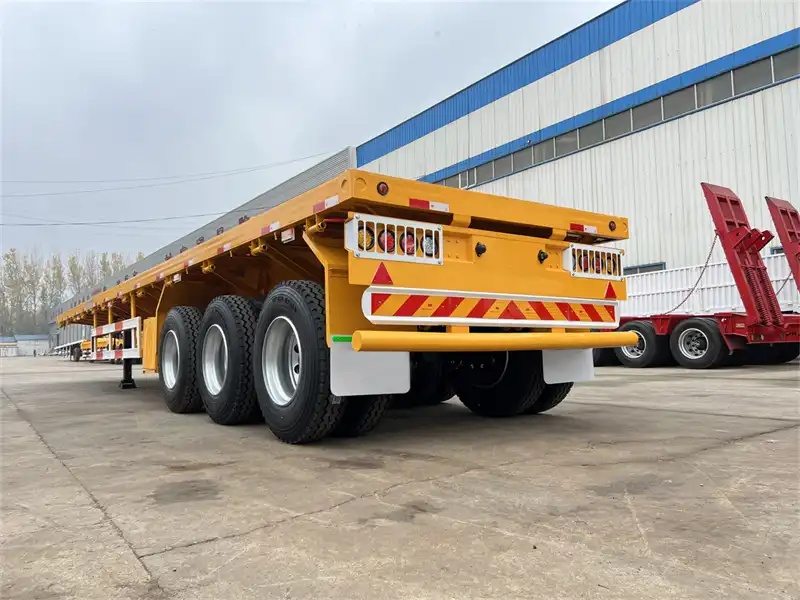
Flatbed Semi-Trailers: Built for 20ft/40ft containers, steel coils, and general cargo, with extendable options reaching up to 25 meters for oversized loads.
-
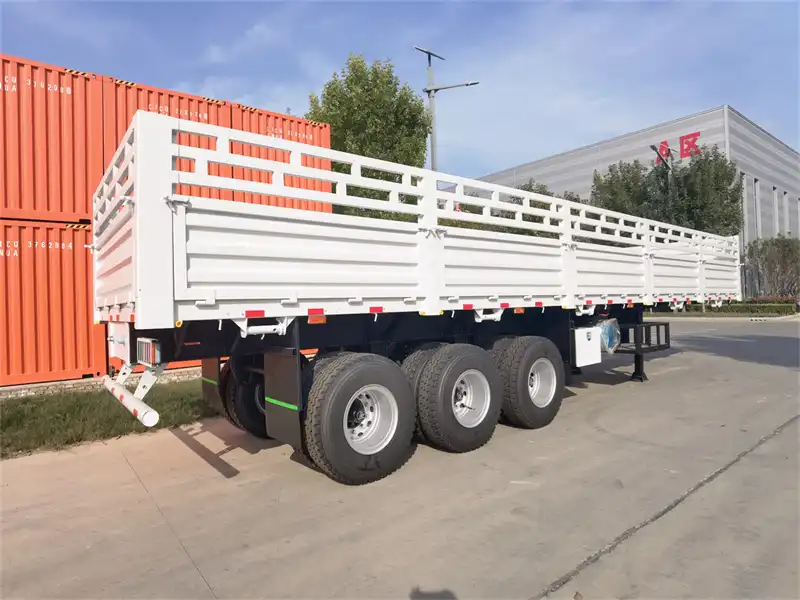
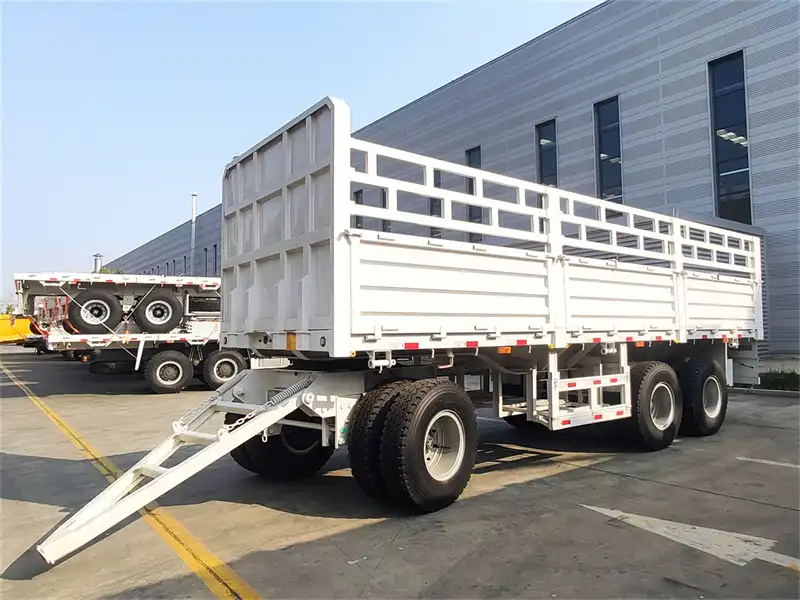
Side-Wall / Drop-Side Trailers: Featuring removable side panels for bulk, bagged, and palletized cargo (40–80 ton payload capacity).
-
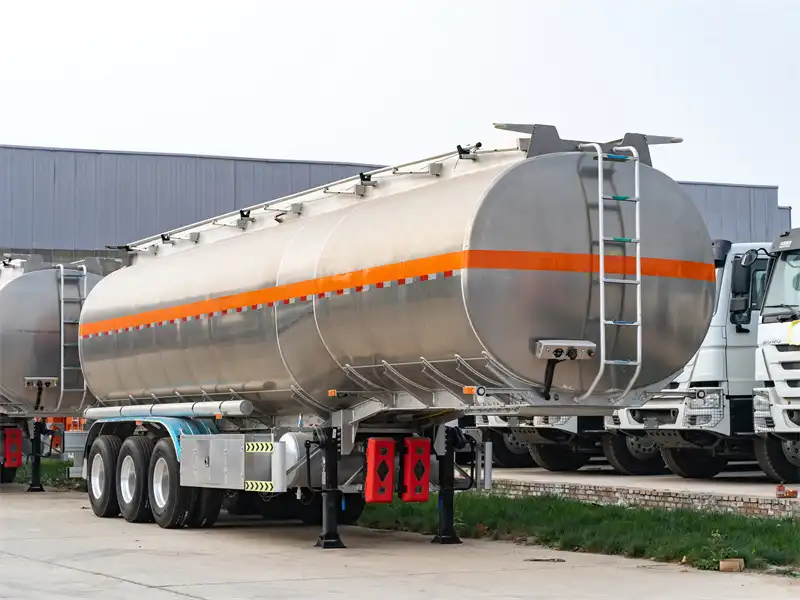
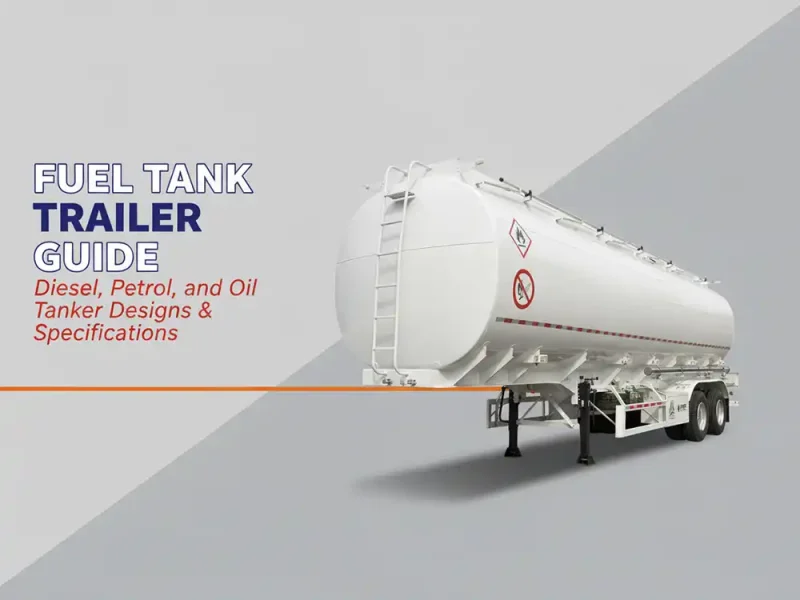
Tanker Semi-Trailers: Engineered in aluminum alloy or carbon steel with capacities ranging from 30,000 to 45,000 liters for fuel, diesel, petrol, and asphalt transport.
-
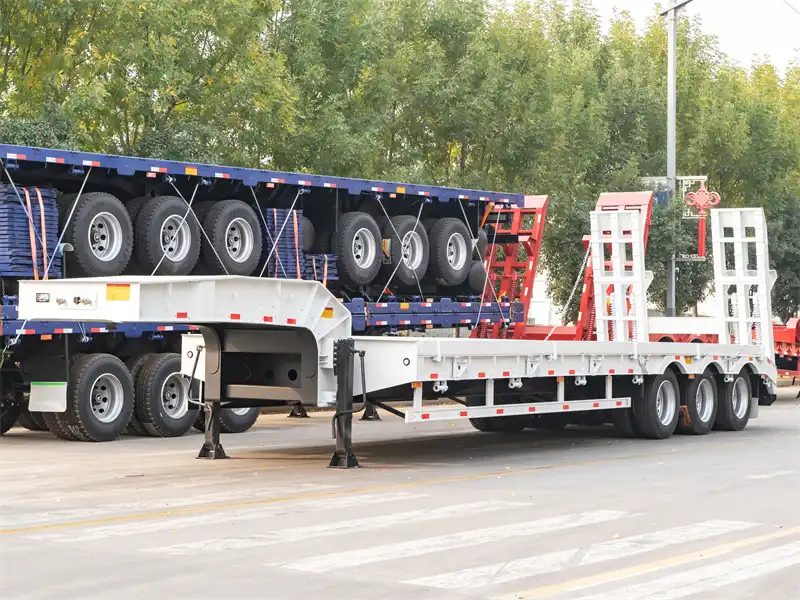
Lowbed Semi-Trailers: Ranging from 50 to 150-ton capacities, including detachable gooseneck models designed for heavy machinery and excavator transport.
-
Powder / Cement Bulker Tankers: 40 to 50 m³ V-type pneumatic discharge designs for efficient bulk cement and fly ash transport.
-
Fence / Stake Semi-Trailers: Ventilated side walls optimized for livestock, agricultural goods, and farm product transport.
-
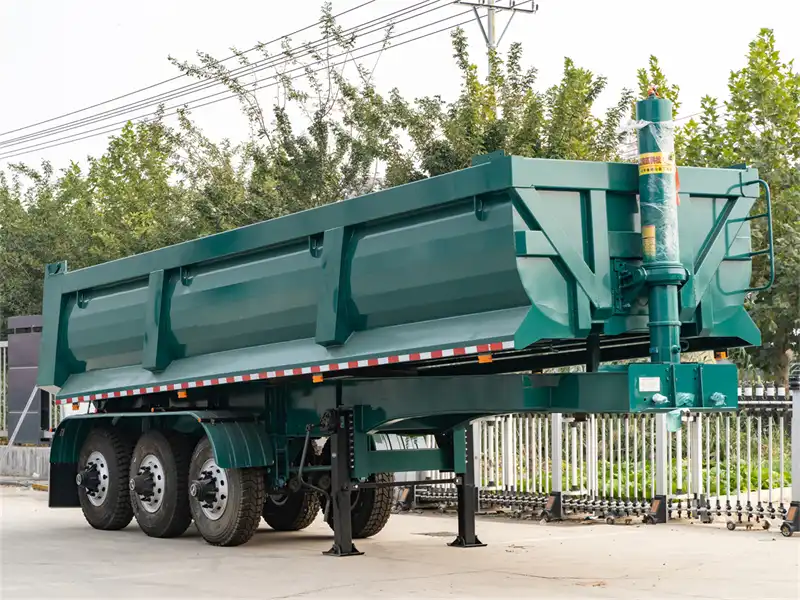
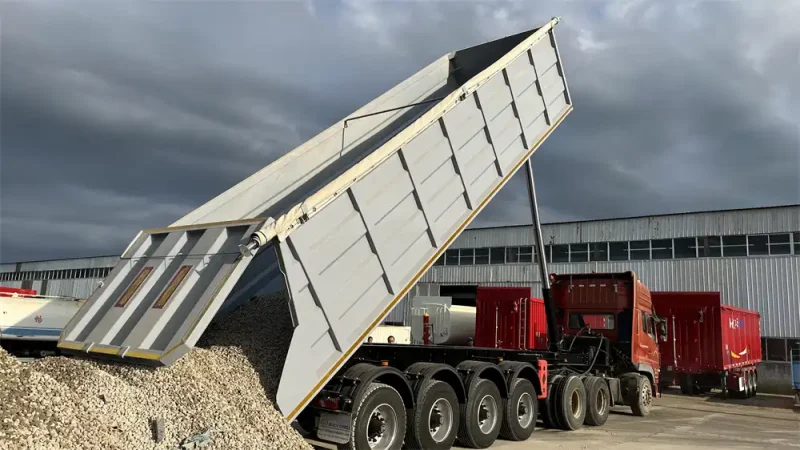
Tipper / Dump Semi-Trailers: Offered in rear-dump and side-dump configurations for mining, aggregates, and sand hauling.
-
Skeleton / Container Chassis: Purpose-built for 20ft, 40ft, and 45ft intermodal container transport.
For fleet operators, this means a single set of shipping documents, one reliable factory relationship, and competitive factory-direct bulk pricing.
BENCHI holds ISO 9001 quality management and ISO 14001 environmental management certifications, with over 100 trailer models certified under China’s mandatory 3C standard. Supported by 500+ employees and a dedicated R&D engineering team, BENCHI customizes axle configurations, suspension types, tank compartments, and frame reinforcements to suit harsh operating environments.
All export operations are handled directly via Qingdao Port, offering end-to-end service including documentation, container loading, and customs clearance—straight from the factory floor with zero trading company markups.
Obter cotações!
Contactar-nos2. Wabash National — Indiana, USA
Founded in 1985 in Lafayette, Indiana, Wabash National has grown into one of North America’s largest semi-trailer producers. The company is renowned for its proprietary DuraPlate® composite panel technology used in dry van trailers, which significantly reduces curb weight while enhancing puncture resistance. Wabash serves major North American fleets and maintains a dominant presence in the less-than-truckload (LTL) market.
3. Hyundai Translead — California, USA (South Korean-Owned)
Hyundai Translead manufactures dry vans, refrigerated trailers, container chassis, and converter dollies. As the first major trailer manufacturer in North America to achieve ISO 9001 certification, Translead leverages the Hyundai brand network to maintain a strong foothold in intermodal transport, with its chassis widely deployed across major North American ports and rail terminals.
4. Heil Trailer International — Tennessee, USA
Heil Trailer specializes in liquid and dry bulk transportation, offering petroleum tankers, chemical trailers, dry bulk pneumatic tankers, and asphalt trailers. With a heritage spanning over 120 years, Heil is one of the oldest operating trailer brands globally. Its trailers comply with regulations across 85 countries, making it one of the few US tanker manufacturers with a truly global distribution footprint.
5. Schmitz Cargobull — Horstmar, Germany
Schmitz Cargobull is Europe’s largest semi-trailer manufacturer, producing over 60,000 units annually across plants in Germany, Spain, Turkey, and the Baltics. With its S.KO COOL series, Schmitz dominates the European refrigerated trailer market while also producing curtain-siders, tippers, and chassis. All trailers are engineered to European road standards and come equipped with integrated fleet telematics as standard.
6. Krone — Werlte, Germany
Krone is Schmitz Cargobull’s chief European rival, manufacturing curtain-siders, dry vans, reefer trailers, and chassis. Its Profi Liner curtain-sider is one of the best-selling trailer models in Europe. Crucially, Krone operates its own dedicated axle production line, giving it direct control over component quality and supply chain stability.
7. Stoughton Trailers — Wisconsin, USA
Stoughton is a leading North American manufacturer of dry van trailers, intermodal containers, and grain trailers. Its Stoughton Composite division produces proprietary wall panels that deliver superior insulation and weight savings. Stoughton holds a robust market position in the US intermodal sector, supplying major rail carriers and third-party logistics (3PL) providers.
8. CIMC Vehicles — Shenzhen, China
CIMC (China International Marine Containers) is the world’s largest container and semi-trailer manufacturer by volume, producing over 100,000 units annually. Headquartered in Shenzhen with production facilities across China and globally, CIMC offers an extensive product line. While CIMC benefits from massive economies of scale, smaller to medium-sized fleets may find less flexibility for custom engineering compared to specialized mid-sized manufacturers.
9. Reitnouer Trailers — Pennsylvania, USA
Reitnouer introduced the industry’s first all-aluminum flatbed trailer in 1982 and remains an industry benchmark for lightweight flatbed design. Highly favored by owner-operators and specialized carriers pushing legal gross weight limits, Reitnouer focuses exclusively on flatbeds. While offering deep engineering expertise in this niche, buyers seeking tankers or enclosed vans must look elsewhere.
10. Doepker Industries — Saskatchewan, Canada
Doepker Industries is a specialized manufacturer serving the Canadian prairie and oilfield markets with heavy-duty highway trailers and grain haulers. Operating out of Saskatchewan, Doepker has built a reputation for rugged construction and custom tailoring trailers to handle extreme cold, off-road oilfield conditions, and heavy agricultural loads.
How to Choose the Right Manufacturer for Your Fleet
How to Choose the Right Manufacturer for Your Fleet
Selecting the right partner comes down to matching your operational needs with the factory’s core strengths:
-
Prioritize Single-Source Procurement
If your order requires multiple trailer types, prioritize manufacturers capable of producing the entire order in-house (such as BENCHI or CIMC). Splitting orders across multiple factories inflates shipping fees, dilutes your purchasing power, and complicates after-sales support.
-
Request Virtual or In-Person Factory Audits
Reputable manufacturers will readily arrange factory tours. Focus your inspection on weld seam quality, shot-blasting, surface painting/anti-corrosion treatments, component brand authenticity (axles, suspensions, valves), and pre-shipment testing protocols.
-
Verify Export Documentation Capabilities
Ask the factory for a definitive list of export documents provided with every shipment (Commercial Invoice, Packing List, Bill of Lading, Certificate of Origin, and technical compliance certificates). Hesitation or attempts to hand you off to an unverified third-party agent should be treated as a red flag.
-
Evaluate Lead Times Realistically
Standard trailers typically take around 15 days to manufacture in a streamlined facility. For fleet orders over 20 units requiring custom engineering, expect a realistic timeline of 30 to 50 days. Claims of fulfilling large custom orders in 7 days often indicate pre-built stock that may not match your road or load specifications.
-
Confirm Spare Parts and Warranty Support
Determine the process for replacing defective parts (e.g., hydraulic cylinders or air valves) six months after delivery. Can the factory dispatch replacement parts internationally via express air freight? Ensuring this workflow is established prior to payment saves costly fleet downtime later.
Conclusão
Conclusão
A successful semi-trailer procurement strategy balances production capacity, product range, manufacturing quality, and export dependability.
For fleet operators across Africa, the Middle East, Southeast Asia, Central Asia, and South America seeking factory-direct pricing alongside an all-in-one product portfolio, BENCHI Trailer offers a compelling combination of 25 years of manufacturing experience, high-volume capacity, international certifications, and reliable export fulfillment.